The organizer of an open event has to solve not only the issues of the program and decor. He literally has to manage the climate: to prevent overheating during the day, to prevent guests from freezing in the evening, to maintain comfort even with heavy traffic and constant air movement. A mistake in choosing equipment or placing it easily turns a beautiful playground into a hot or frozen area where you want to leave rather than celebrate.
Heat, Humidity And Area: How Not To “Suffocate” The Guests
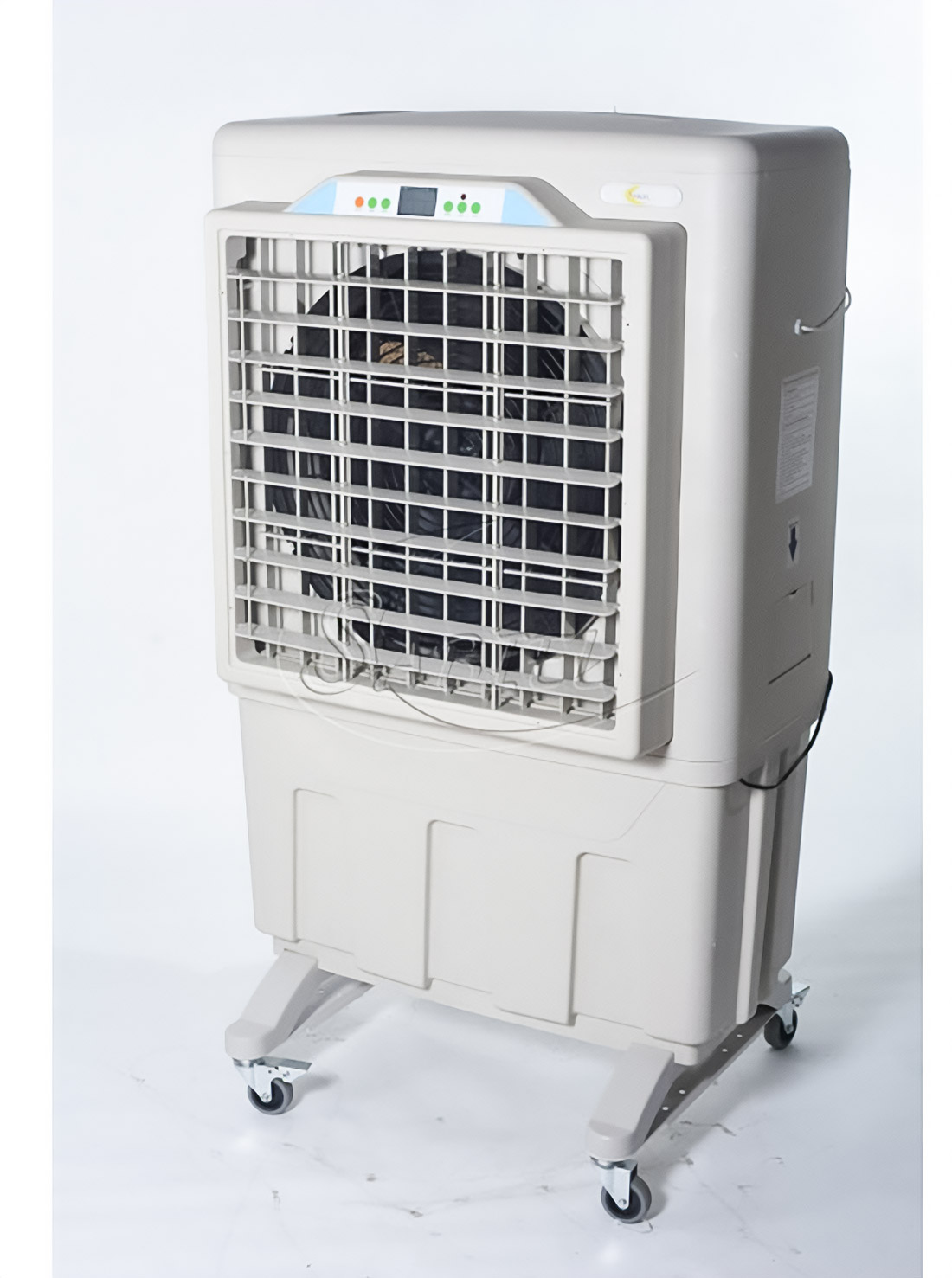
Small areas up to 300 sq ft have their own rules of the game. Here, one or two evaporative coolers like air cooler dubai are often enough, which reduce the temperature due to the natural evaporation of water, create a stream of fresh air and at the same time consume about 75% less energy than traditional split systems. But as soon as the temperature rises to 29 °C and above, especially with increasing humidity, evaporative cooling begins to lose significantly, and familiar scenarios collapse literally before our eyes.
With an area of 300 to 700 sq ft, one solution is no longer enough. It is necessary to combine several portable air conditioners and more powerful coolers, considering how air flows are formed, where warm air accumulates and how actively guests move. In such conditions, autonomous mobile air conditioners take over stable cooling, and evaporative coolers help to “clean up” hot areas and maintain circulation. When the venue exceeds 700 sq ft, and the number of guests exceeds 50 people, industrial cooling systems and ductwork actually become a prerequisite for a comfortable event.
Shadow, Structures, And Ice Points: How To Build A Stable Microclimate
Coolers alone are not enough if the site is open to the sun all day. Awnings, canopies and reflective fabrics come to the rescue, which reduce the heating of the air and furniture under them, create a basic shadow and set the framework of the microclimate. Modern structures can withstand heating up to +70 ° C and wind up to 80 km/h, and also allow you to hang equipment with a total weight of up to 1200 kg, which gives space for fans, coolers and even specialized systems.
Inside such zones, it is already possible to precisely enhance the effect: use ice blocks with fans, form cooling stations, and create routes for guests to travel so that they regularly enter areas with lower temperatures. Special attention has to be paid to the logistics of technology: mobile air conditioners must stand strictly vertically for at least two hours before switching on to avoid problems with the refrigerant, and the devices themselves are placed on a flat surface, protecting them from direct sun and moisture. At temperatures of 85°F / 29°C and above, the wrong choice of technique or its position very quickly turns into noticeable discomfort. At 85-100°F (29-38°C), evaporative systems are increasingly giving way to air conditioners, and at 100°F+ (38°C+), powerful solutions capable of maintaining comfort and safety are already needed.
Warm Evenings, Safe Heating And Reasonable Rent
As soon as the sun goes out, the task changes dramatically. Where they struggled with overheating during the day, in the evening it is already important not to let the guests freeze. For small and medium-sized areas, it is logical to use portable electric heaters with adjustable thermostats and overheating protection, which allow you to gently raise the temperature without sudden fluctuations. For more open spaces with high traffic, gas and umbrella heaters are available, capable of creating a stable warm “cap” around key points, entrances, bars, and social areas.
Typical gas solutions are powered by 11-kilogram cylinders and provide approximately six hours of full-power heating with a range of about three meters. This is enough for local heat islands, but not for large-scale sites where the air temperature is constantly “sinking” due to wind and open perimeter. In such cases, indirect heating systems come into play, located at a safe distance from the guests and supplying warm air through flexible ducts inside the tents and awnings, without exhaust gases and open flames.
Against the background of all this, renting looks especially logical: in case of isolated events, with an area of over 700 sq ft, with extreme heat or severe cold, buying a fleet of equipment makes no sense. Temporary or long-term rentals with delivery, installation, and maintenance allow you to focus on the event scenario rather than on equipment repairs and capacity calculations. As a result, well-chosen climate control from evaporative coolers and mobile air conditioners to heaters and awnings turns even weather-bound dates into sustainably comfortable events where guests think about the program rather than the temperature.

Soccer lover, risk-taker, band member, Vignelli fan and front-end designer. Doing at the junction of art and mathematics to craft meaningful ideas that endure. I work with Fortune 500 companies and startups.
